
Salesforce OmniStudio accelerates digital transformation by enabling enterprises to build guided, dynamic, and data-rich experiences without heavy reliance on custom code. For professionals preparing for the OmniStudio Exam, mastering its core components – FlexCards, OmniScripts, and DataRaptors – is essential. These tools are not just exam topics; they represent the backbone of scalable, user-centric solutions in industries like telecom, healthcare, and financial services.
This article explores these components in depth, showing how they interact, where they excel, and how they are tested in OmniStudio Consultant practice test questions and OmniStudio Developer exam preparation course.
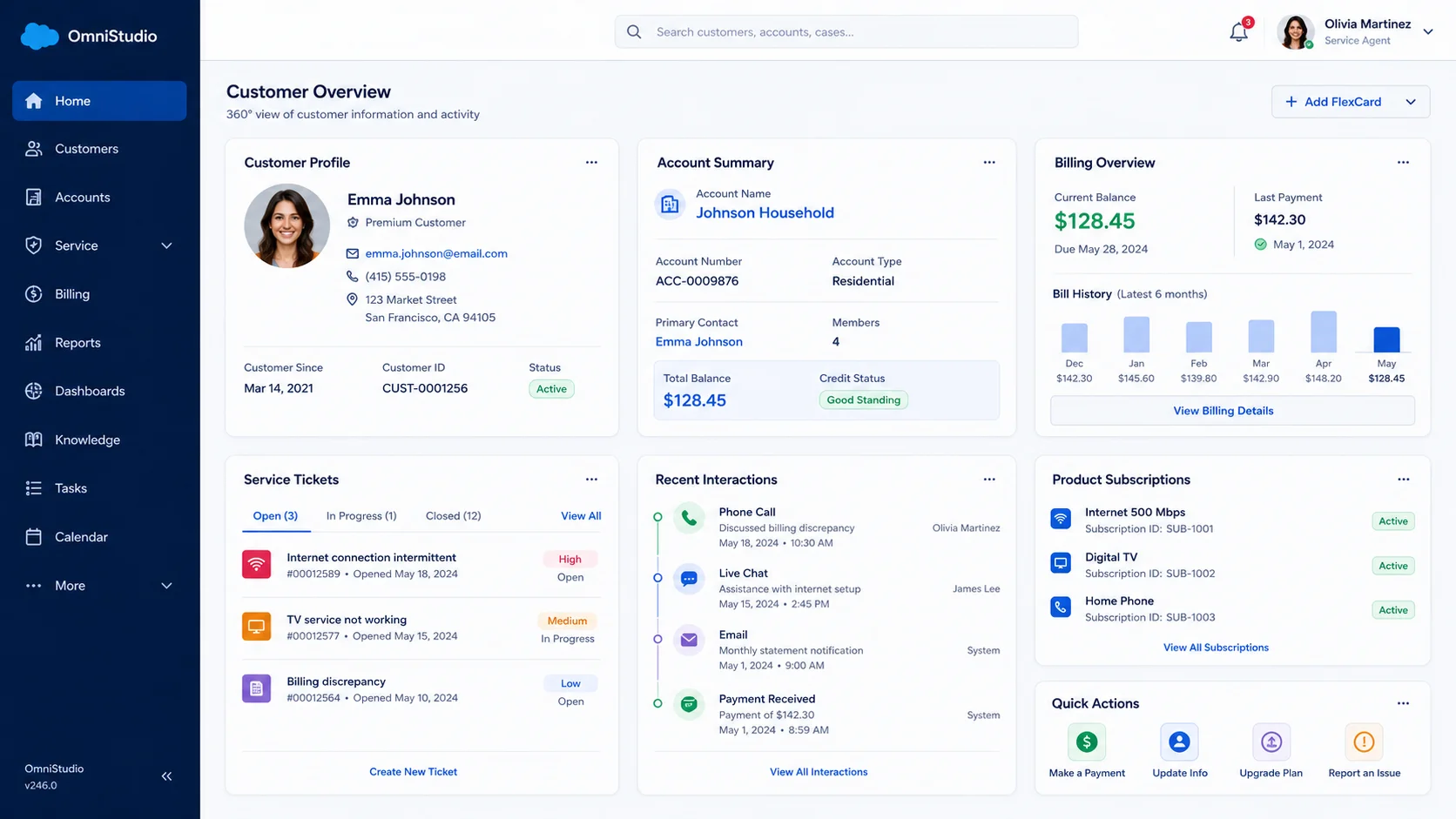
FlexCards: The Experience Layer
FlexCards are the presentation engine of OmniStudio. They allow developers and consultants to design modular, reusable UI components that surface data in context.
Key Insights
- Purpose: FlexCards are experience containers. They aggregate data from multiple sources and present it in a way that is actionable, such as dashboards or contextual service widgets.
- Design Philosophy: They embody Salesforce’s “clicks not code” principle. Instead of writing custom Lightning components, FlexCards let you configure layouts, conditional views, and actions declaratively.
- Real-World Example: In telecom, a FlexCard might display a customer’s billing status, current plan, and open service tickets in one unified view. This reduces agent handling time and improves customer satisfaction.
Exam Relevance:
Expect OmniStudio Consultant Questions and Answers to test your ability to identify when FlexCards are preferable over custom Lightning components, and how they integrate with OmniScripts for guided workflows.
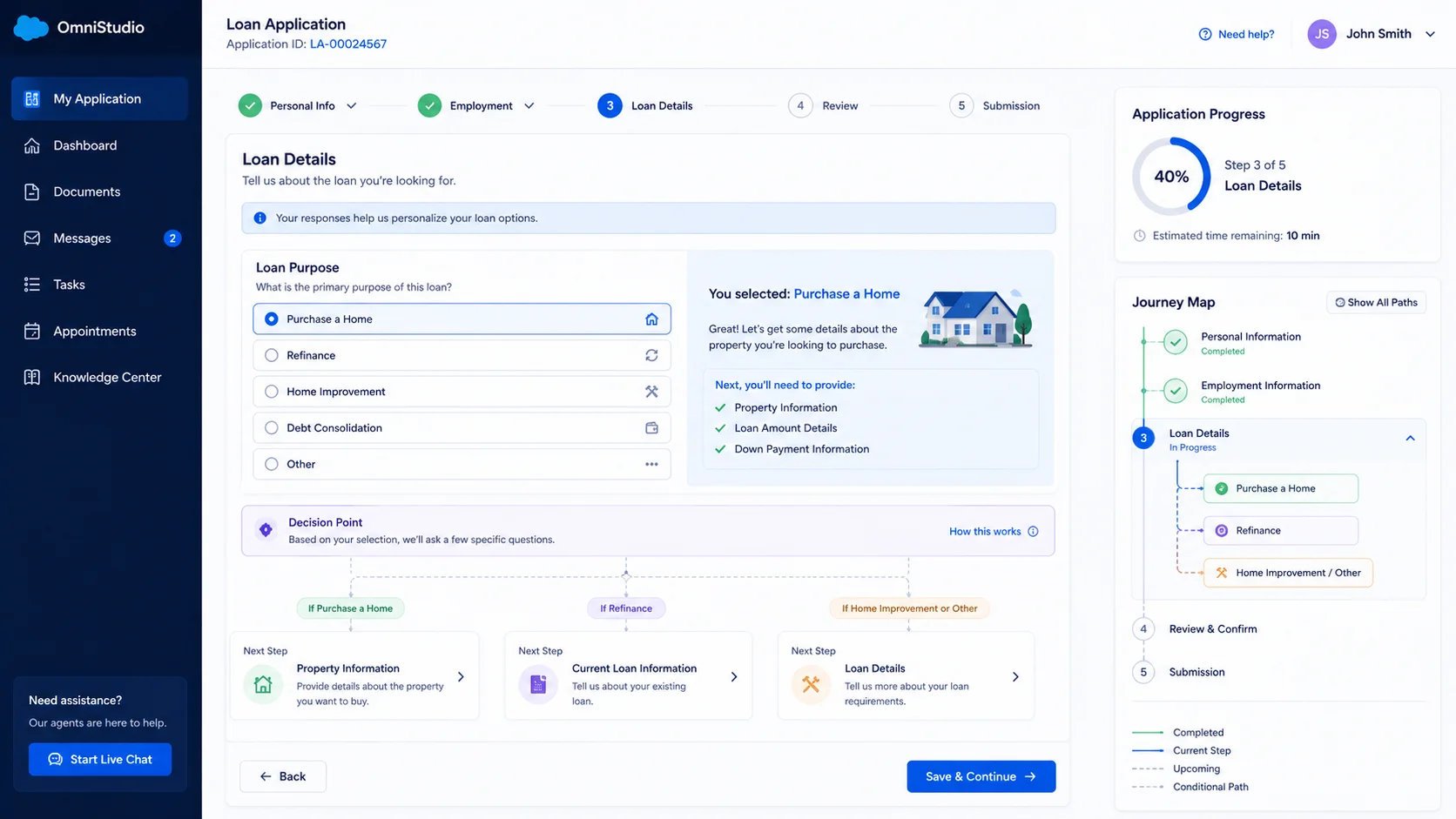
OmniScripts: The Guided Process Engine
OmniScripts are the process orchestration layer. They guide users through complex workflows step by step, ensuring compliance, accuracy, and efficiency.
Key Insights
- Purpose: OmniScripts replace traditional hard-coded wizards with configurable, dynamic flows. They can handle branching logic, conditional steps, and integrations seamlessly.
- Design Philosophy: They emphasize guided experiences. Instead of overwhelming users with data, OmniScripts break tasks into digestible steps, ideal for onboarding, claims processing, or loan applications.
- Real-World Example: In healthcare, an OmniScript might walk a patient service rep through eligibility verification, benefits explanation, and appointment scheduling, all while pulling data from multiple systems.
Exam Relevance
The OmniStudio Exam often includes scenario-based questions where you must decide whether to use an OmniScript or a FlexCard. A common trap is confusing OmniScripts (process-driven) with Flow (automation-driven). OmniScripts are about user guidance, not backend automation.
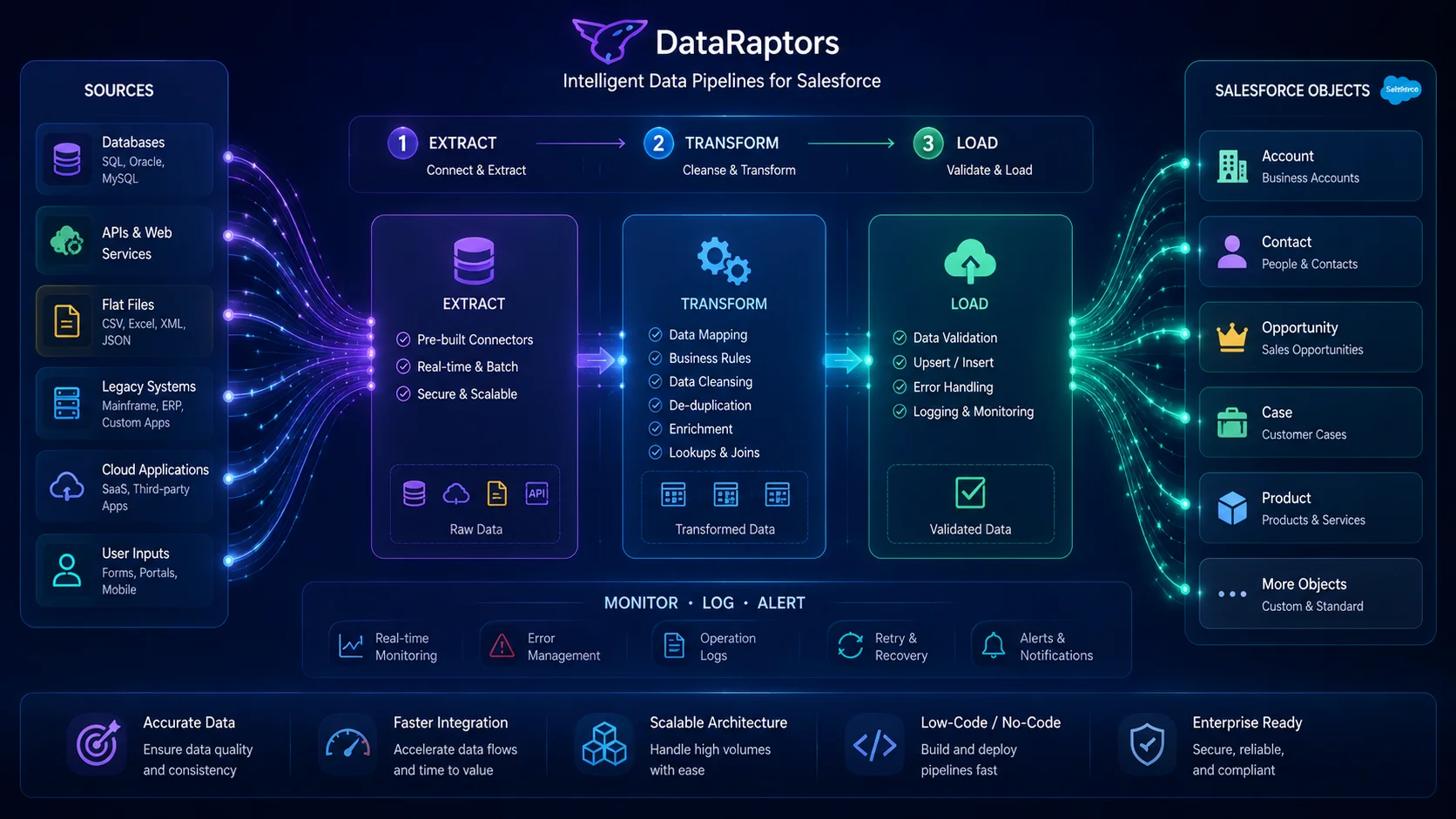
DataRaptors: The Data Transformation Layer
DataRaptors are the data integration and transformation tools within OmniStudio. They enable declarative ETL (Extract, Transform, Load) operations without Apex coding.
Key Insights
- Types of DataRaptors:
- Extract: Pulls data from Salesforce or external systems.
- Transform: Applies formulas, mappings, and conditional logic.
- Load: Writes data back into Salesforce objects.
- Turbo Extract: Optimized for performance when retrieving large datasets.
- Design Philosophy: DataRaptors are about data agility. They allow consultants to manipulate data in real time, ensuring that FlexCards and OmniScripts always display accurate, context-rich information.
- Real-World Example: In financial services, a DataRaptor might transform raw transaction data into a customer-friendly statement summary, feeding it into a FlexCard for display.
Exam Relevance:
In the OmniStudio Developer Practice Test, you’ll encounter questions about choosing the right DataRaptor type. For example, using a Turbo Extract when performance is critical, or a Transform when complex mappings are required.
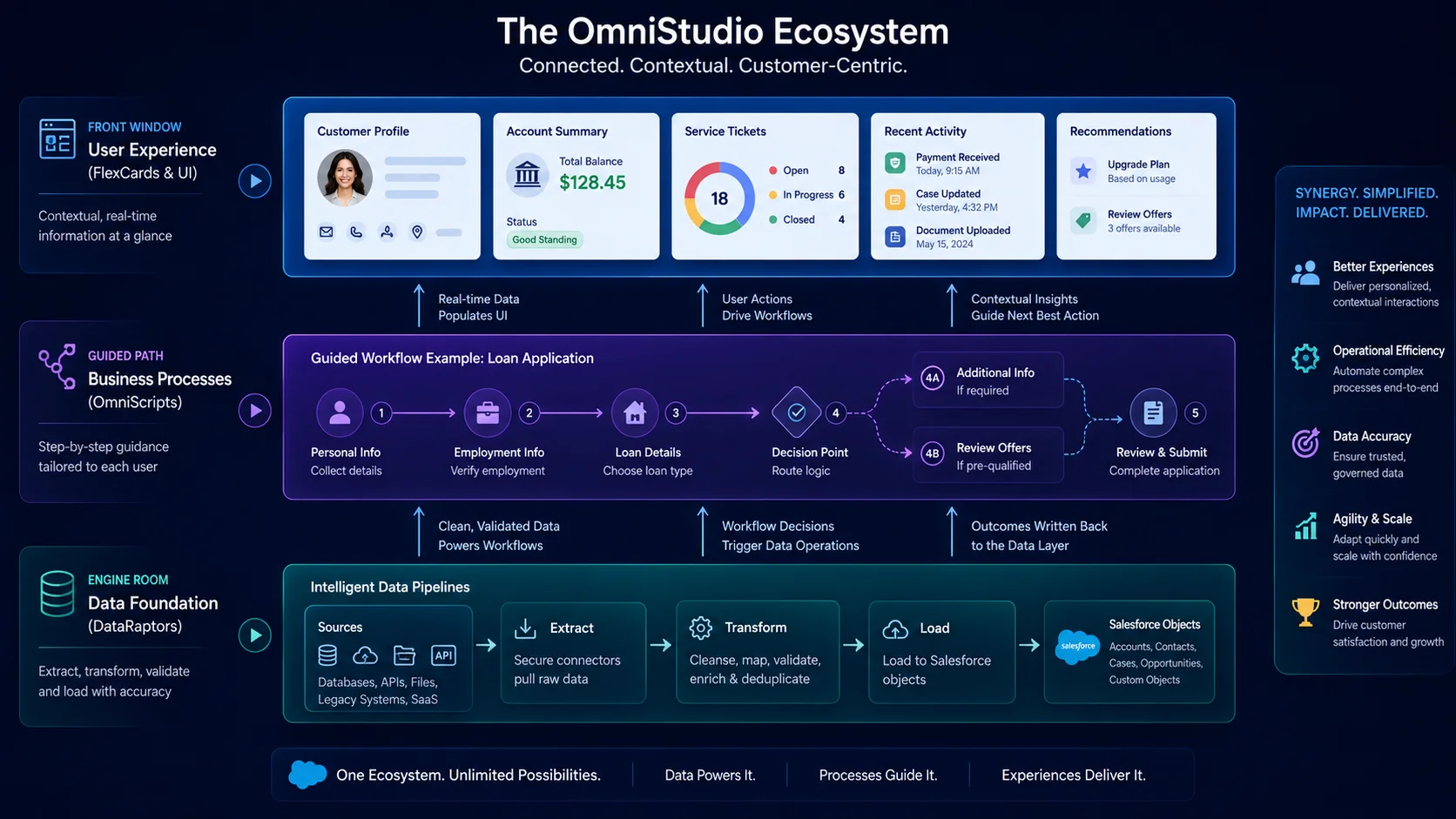
How These Components Work Together?
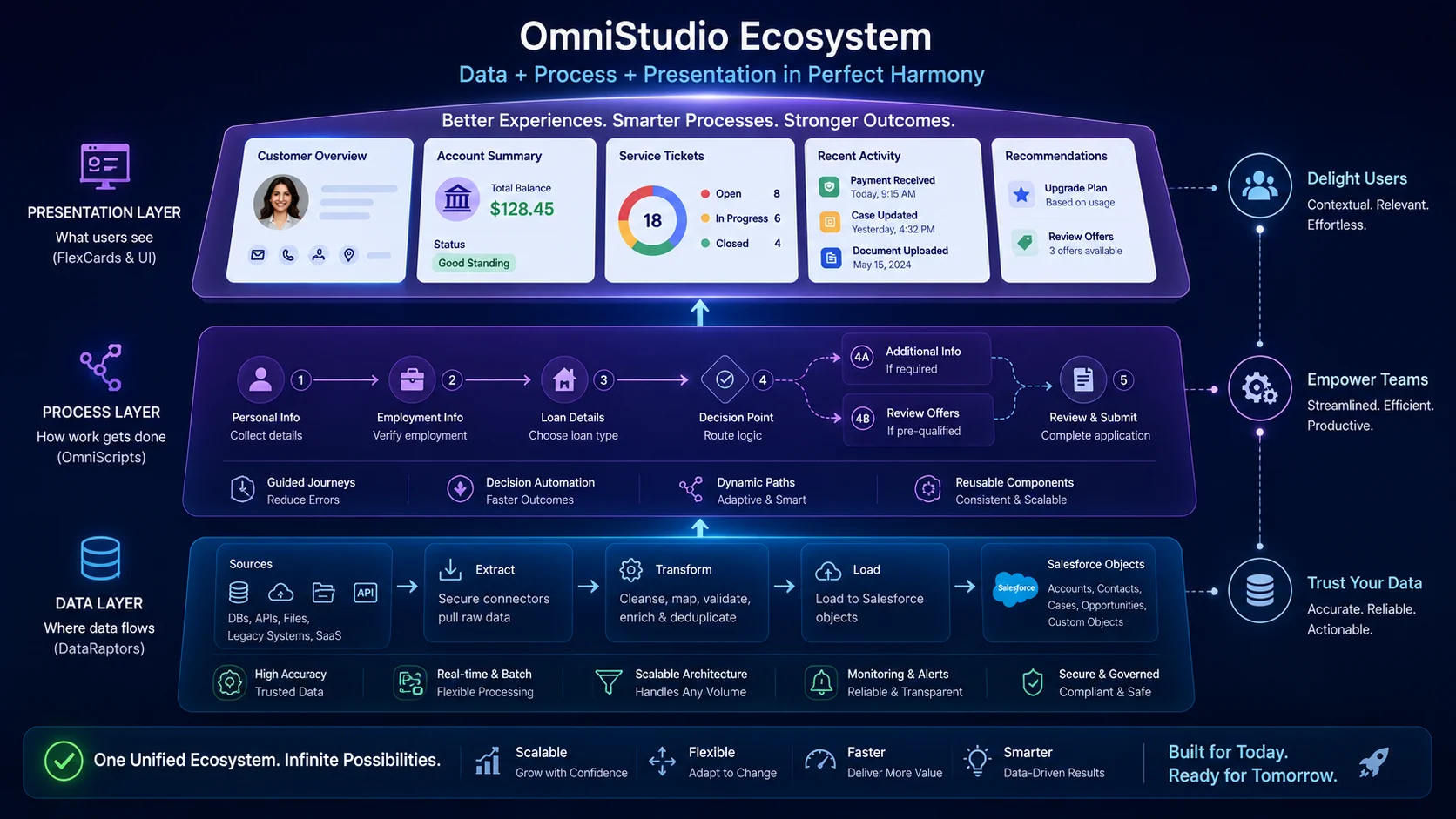
The real power of OmniStudio lies in the synergy between FlexCards, OmniScripts, and DataRaptors:
- FlexCards surface data in context.
- OmniScripts guide users through processes using that data.
- DataRaptors ensure the data is accurate, transformed, and ready for use.
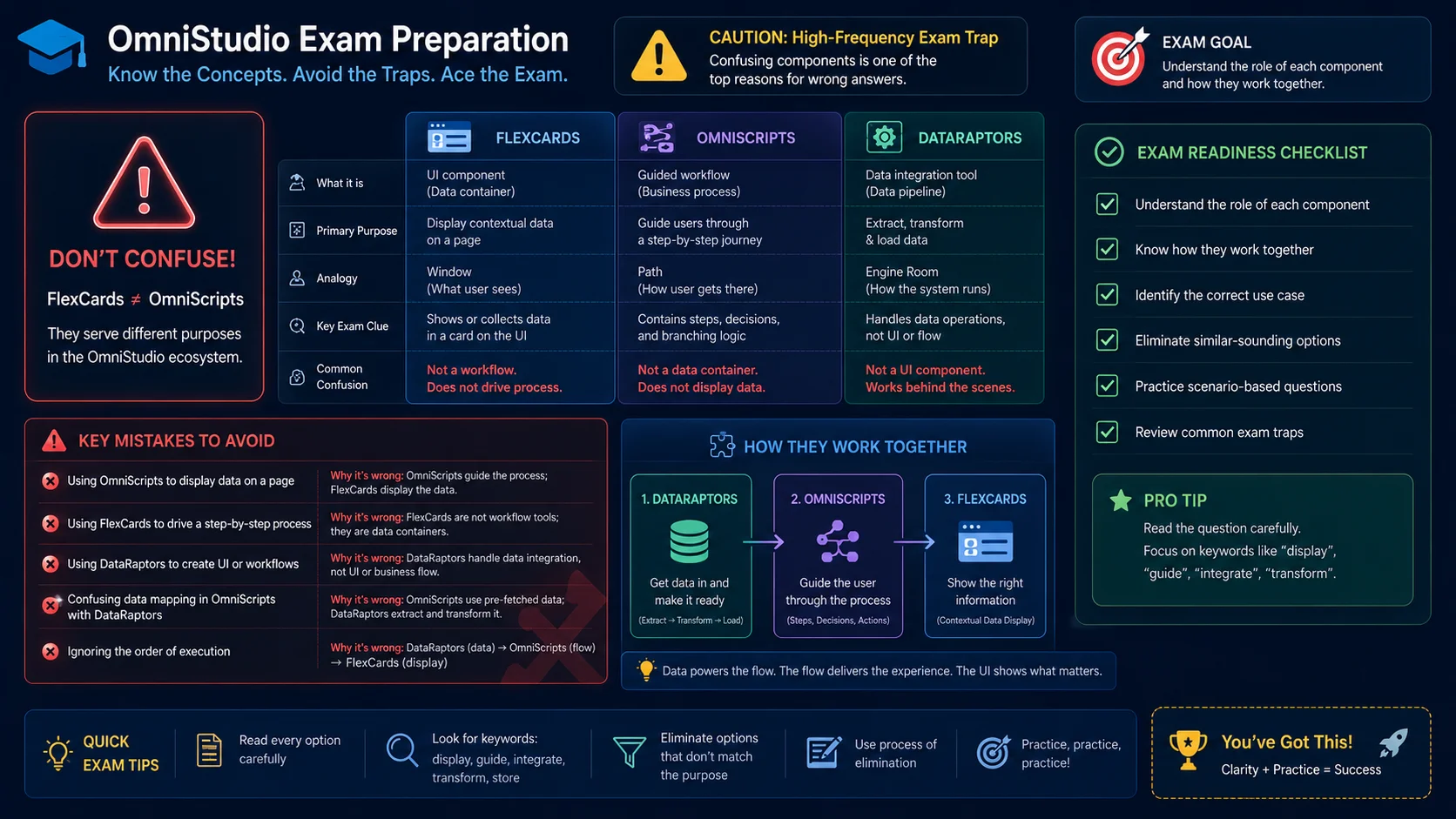
Think of them as a three-layer system: FlexCards are the front window, OmniScripts are the guided path, and DataRaptors are the engine room. Together, they create scalable, maintainable, and adaptable solutions.
Common Pitfalls in the Exam
- Confusing FlexCards with OmniScripts: FlexCards display and act, OmniScripts guide and decide.
- Overusing DataRaptors: They are powerful, but Integration Procedures are better for complex orchestration.
- Ignoring Performance: Turbo Extracts are exam favorites. Know when to use them for large datasets.
- Forgetting Reusability: FlexCards can be embedded in OmniScripts, and DataRaptors reused across multiple components.
Synthesizing the OmniStudio Ecosystem
FlexCards, OmniScripts, and DataRaptors form a cohesive ecosystem that empowers enterprises to deliver guided, data-rich, and scalable experiences. For professionals preparing for the OmniStudio Exam, mastering these components is more than an academic exercise. It is about understanding how to design solutions that balance usability, performance, and maintainability.
By analyzing their roles, interactions, and exam relevance, this article provides clarity and depth that typical resources lack. Whether tackling OmniStudio Consultant Exam Questions or practicing with an OmniStudio Developer Practice Test, the key is to think beyond definitions and focus on applied context, design trade-offs, and real-world scenarios.
Also Read:
OmniStudio for the Public Sector Solutions Exam: FlexCards, OmniScripts, and DataRaptors Explained
OmniStudio for Consultants: Designing End-to-End Digital Experiences