
Preparing for a certification can feel overwhelming, especially when you keep seeing roles that ask for experience you are still trying to build. That is exactly why this stage can feel so frustrating. You want to move forward, but you may not have worked on enough real projects yet.
If that sounds familiar, take a breath. You can still prepare well for the Data Cloud Consultant Exam even if your hands-on exposure is limited. This exam is not just about knowing where buttons live or remembering product terms. It is about understanding how data moves through the platform and how to choose the right solution for a business need.
That means a smart study plan can take you a long way.

Understand what Data Cloud Consultant exam is really asking from you
One of the biggest mistakes candidates make is treating the exam like a memory challenge. They read notes, highlight terms, and try to memorize everything. Then they sit down for the test and realize the questions are built around situations, not definitions.
You are more likely to see a question about a company trying to unify customer records from different systems than a question asking for a simple feature definition. The exam wants to know whether you can think through a problem and choose the best answer, not just the most familiar term.
If you keep that in mind from day one, your study sessions become much more useful.
| Exam Focus Area | What You Should Understand |
| Data ingestion | How data enters the platform and when batch or streaming makes sense |
| Data modeling | How raw data is shaped into a structure the platform can use |
| Identity resolution | How records are matched and turned into unified profiles |
| Segmentation | How audiences are created from customer behavior and attributes |
| Activation | How those audiences or insights are used in other systems |
| Governance | How privacy, consent, and data controls fit into the process |
This table is a good reminder that the exam is really about decision-making across the full process.
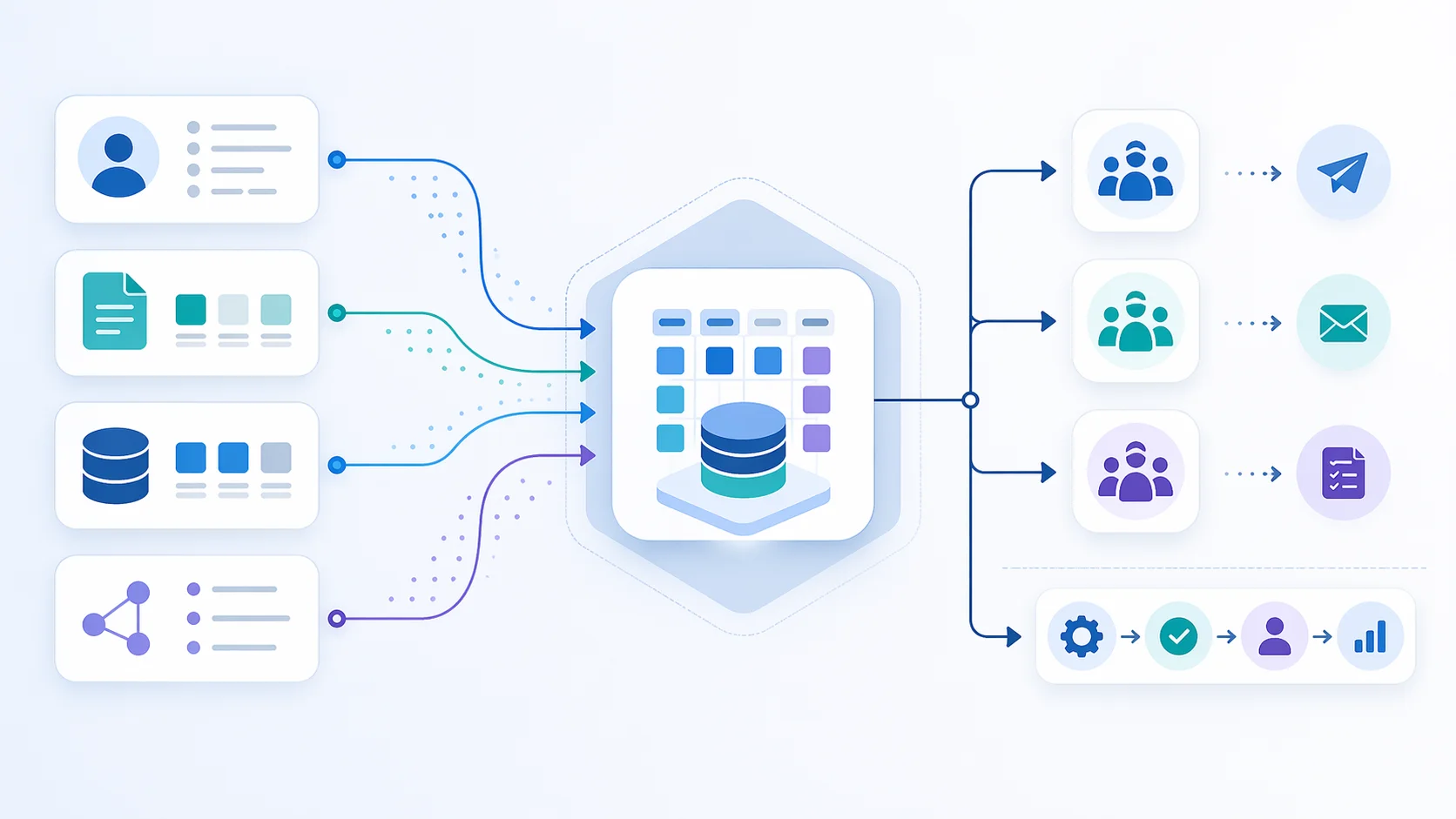
Learn the full data journey before chasing details
If you are short on real-world practice, start with the big picture. It helps more than most people expect.
Think about the journey in a simple way. Data comes in. It gets mapped. It gets organized. Records are matched. Audiences are created. Then those audiences are used for action.
When you understand that flow, a lot of confusing questions start to make more sense. You stop looking at topics as separate boxes and begin to see how they connect.
For example, if a company has duplicate customer profiles, the issue probably does not start with segmentation. It is more likely tied to identity resolution. If fields from a source system do not line up properly, that points more toward mapping or data modeling. When you can place the problem in the right part of the flow, the answer becomes easier to spot.
That one shift in thinking helps a lot.

Build strong concept knowledge first
A lot of people think they need deep hands-on work before they can study seriously. Concept clarity comes first. If your foundation is weak, even hands-on experience can feel confusing.
Start by getting comfortable with the ideas that show up repeatedly:
- The difference between raw data and standardized data
- How matching rules work
- What a unified profile represents
- When segmentation is the right answer
- How activation differs from analysis
- When real-time processing matters and when scheduled processing is enough
Try explaining each concept in your own words. Not formal words. Simple words. If you can explain it clearly without sounding rehearsed, you probably understand it well enough for the exam.
A simple example can help. Imagine a retail company collecting customer data from email sign-ups, purchases, and app activity. The business wants one customer view instead of three scattered records. That is not just a loading problem. It is a matching and unification problem. Once you start thinking this way, the exam feels much more practical.

Use a simple Data Cloud Consultant study plan you can follow
A lot of good study plans fail because they are too ambitious. People create huge schedules, miss two days, and then give up. A calmer plan usually works better.
Here is a practical structure you can follow:
| Study Stage | What to Do |
| First stage | Learn the exam topics and understand the full data flow |
| Second stage | Spend extra time on data modeling and identity resolution |
| Third stage | Study segmentation, activation, and common business scenarios |
| Fourth stage | Practice timed questions and review weak areas |
| Final stage | Revise short notes, key differences, and common mistakes |
This works well for Data Cloud Consultant exam preparation because it gives you structure without making the process feel heavy.

Study with Data Cloud Consultant scenarios, not just notes
This is where many candidates improve quickly.
Instead of only reviewing definitions, turn each topic into a business situation. Ask yourself what the company wants, what problem they are facing, and which part of the platform solves that problem.
You can create simple prompts like these:
- A business wants to merge customer records from several systems
- A marketing team wants an audience based on recent spending
- A company needs actions to happen quickly after a customer event
- A team wants to send selected customer groups into another platform
This kind of practice makes the material easier to remember because every concept has a purpose attached to it. It also keeps studying from becoming dry.
Make the most of limited hands-on experience
If you do not have access to a full implementation project, you can still build useful understanding.
You can sketch the data flow on paper. You can create your own examples. You can compare similar concepts until the differences become clear. You can also write short notes after each study session on what a feature does and when it should be used.
That may sound simple, but it works. Passive reading fades fast. Active study tends to stick.

Use Data Cloud Consultant practice questions the right way
Many candidates jump into Data Cloud Consultant practice test questions and focus only on the score. That is not the best way to improve.
The real value comes after the question. When you review your answer, ask yourself:
- What was the actual business goal?
- Which stage of the process did the question test?
- Why was the correct answer stronger than the others?
- Did I miss the concept or just rush the wording?
That kind of review builds judgment, and judgment is exactly what this exam looks for.
Common mistakes to avoid
Some patterns show up repeatedly during exam prep:
- Memorizing terms without understanding their use
- Skipping identity resolution because it feels difficult
- Mixing up segmentation and calculated insights
- Rushing through questions without reviewing mistakes
- Trying to study everything at once
You do not need a perfect study week. You just need steady progress. A calm hour of focused revision is more useful than a stressful day of cramming.

FAQs about preparing with limited experience
Can I pass without working on a live project?
Yes. Real project work helps, but it is not the only path. If your concepts are strong and you can think through scenarios clearly, you can still be well prepared.
Which topics deserve the most attention?
Data modeling, identity resolution, segmentation, and activation usually deserve more time because they often appear in practical, decision-based questions.
What should I do when two answers look correct?
Go back to the business need in the question. Choose the answer that solves the problem in the clearest and most practical way.
Conclusion
Preparing for the Salesforce Certified Data Cloud Consultant Exam without much hands-on experience can feel intimidating at first, but it is doable. You do not need to know everything. You need to understand how the pieces fit together, how business problems show up in the platform, and how to think through the answer calmly. Keep your plan simple. Study the full flow. Practice with scenarios. Review your mistakes honestly. If you do that consistently, your current lack of experience does not have to hold you back.
Also read:
Data Modeling in Data Cloud: What the Exam Expects You to Know About Data Streams and Data Lake
Real-Time Data Unification: What Salesforce Data Cloud Consultants Wish They Knew Earlier
How to Stay Motivated During Salesforce Data Cloud Consultant Certification Prep?