
What Are Agentforce Configuration Scenarios?
Agentforce configuration scenarios are exam questions that present real-world business requirements and require candidates to select the most appropriate platform configuration. These questions assess a candidate’s ability to analyze requirements, apply platform knowledge, and choose scalable, efficient solutions using declarative tools.
Introduction
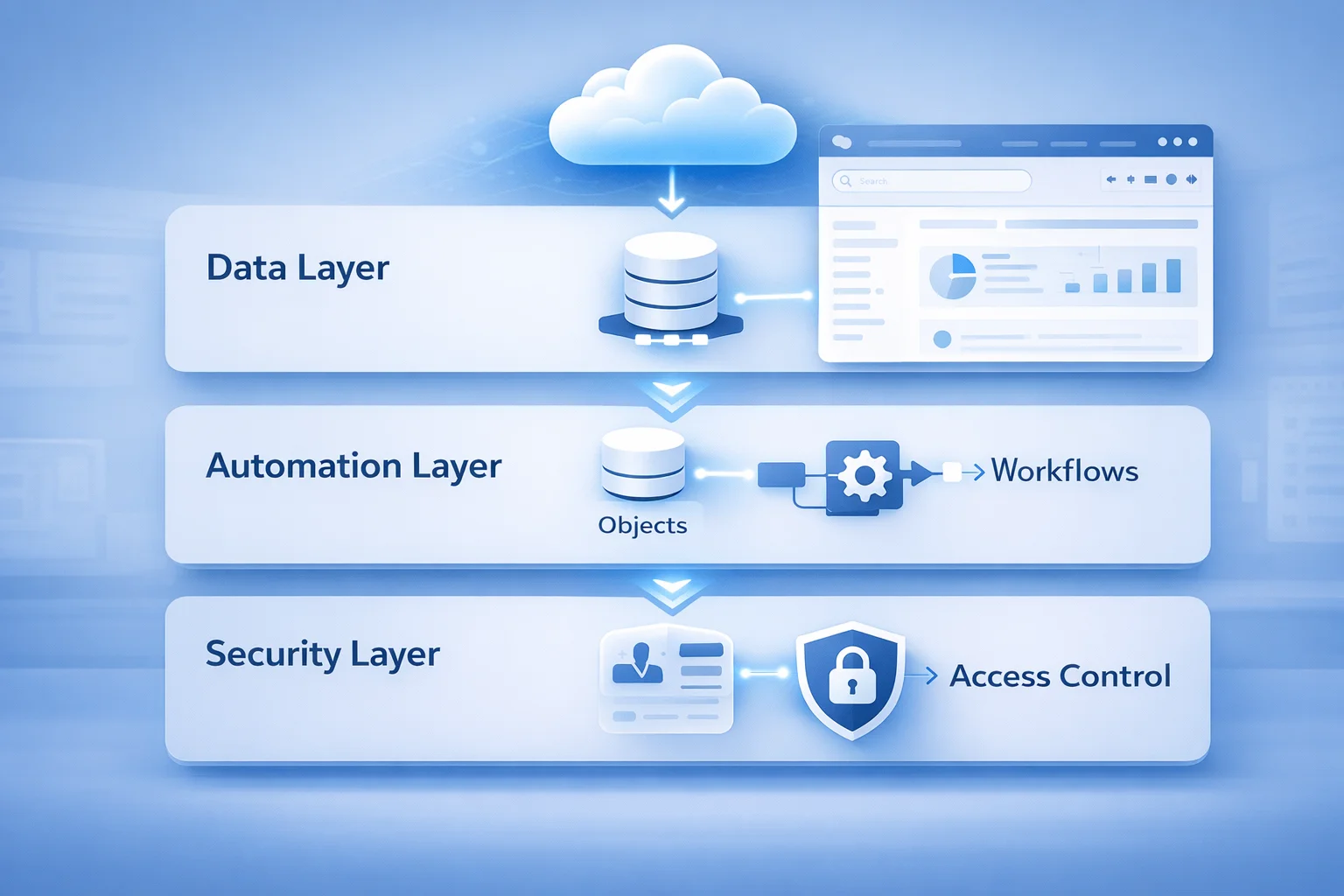
Agentforce is a Salesforce-based platform designed to support service operations through configurable data models, automation, and security controls. The Agentforce certification exam evaluates not only theoretical understanding but also the ability to apply knowledge in practical contexts.
A significant portion of the exam focuses on configuration scenarios. These questions require candidates to interpret business needs, identify constraints, and determine the most effective solution based on platform best practices. This article provides a structured and comprehensive guide to help candidates master these scenarios.
How to Approach Agentforce Scenario-Based Questions?
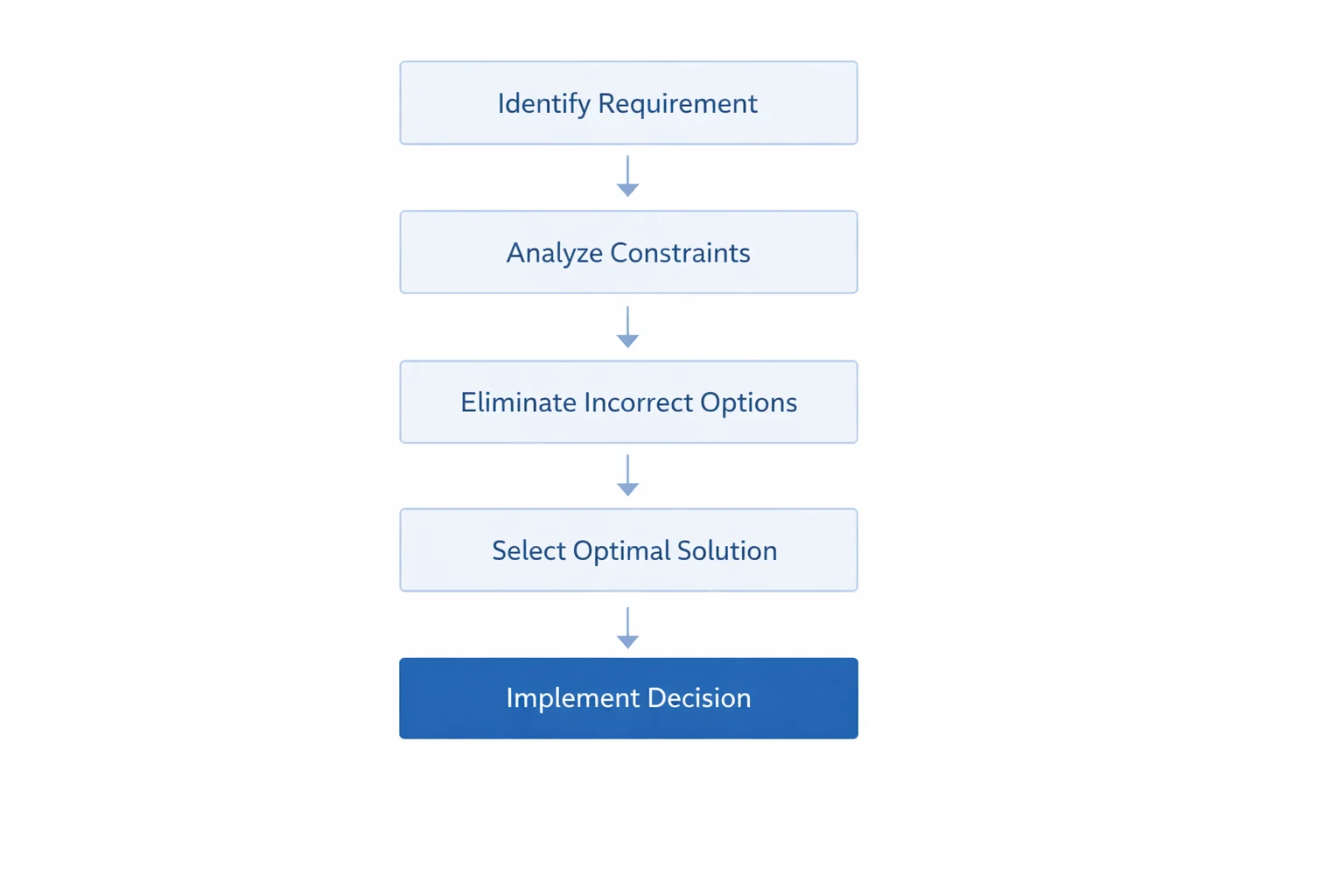
To solve Agentforce scenario-based questions effectively, follow these steps:
- Identify the core business requirement
- Determine constraints such as security or scalability
- Eliminate incorrect or overly complex options
- Select the simplest and most efficient declarative solution
This structured approach aligns with both exam expectations and real-world implementation practices.
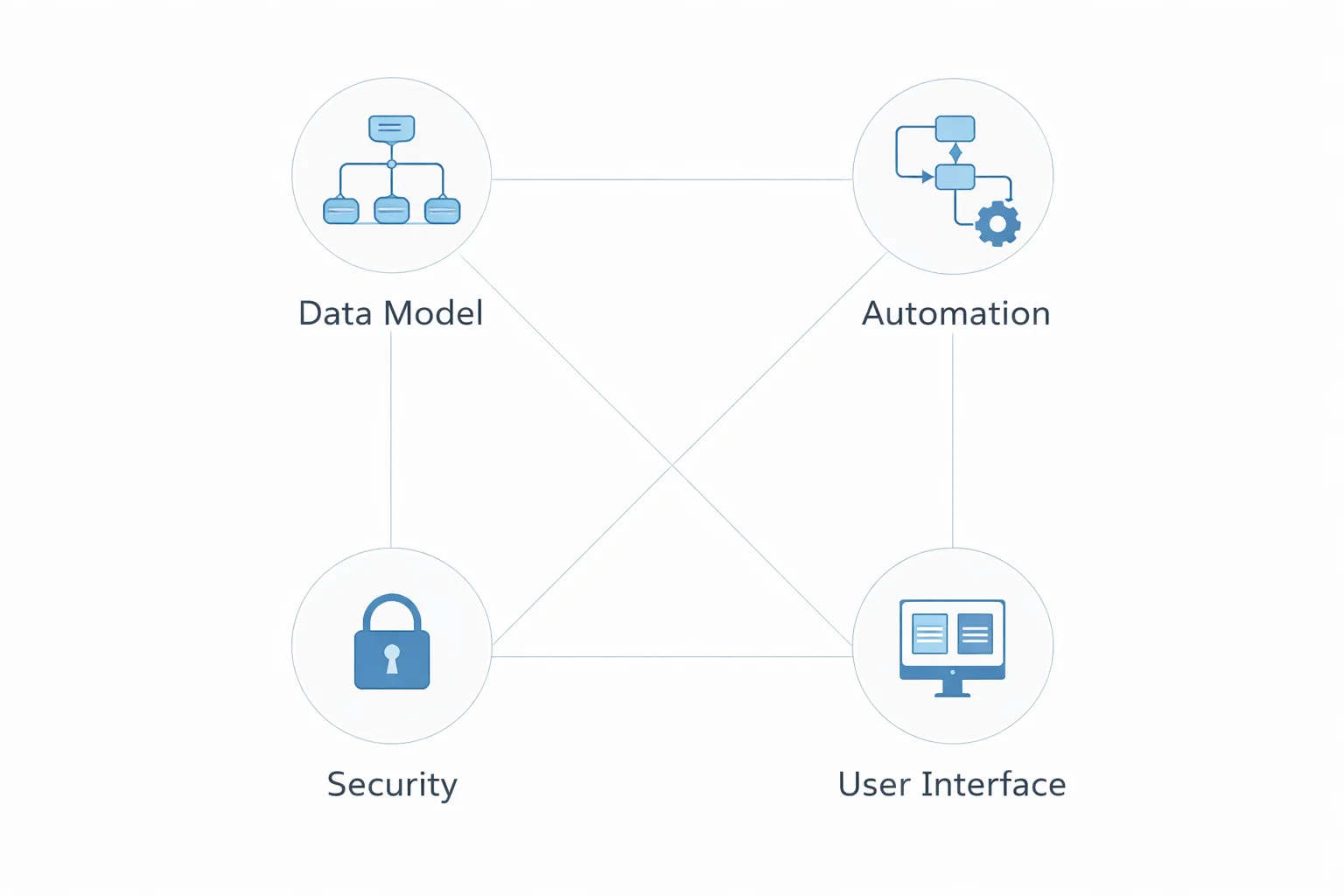
Core Configuration Areas Tested in the Agentforce Exam
1.Agentforce Data Model Configuration
Data modeling is central to many exam scenarios.
Key concepts:
- Custom objects and fields
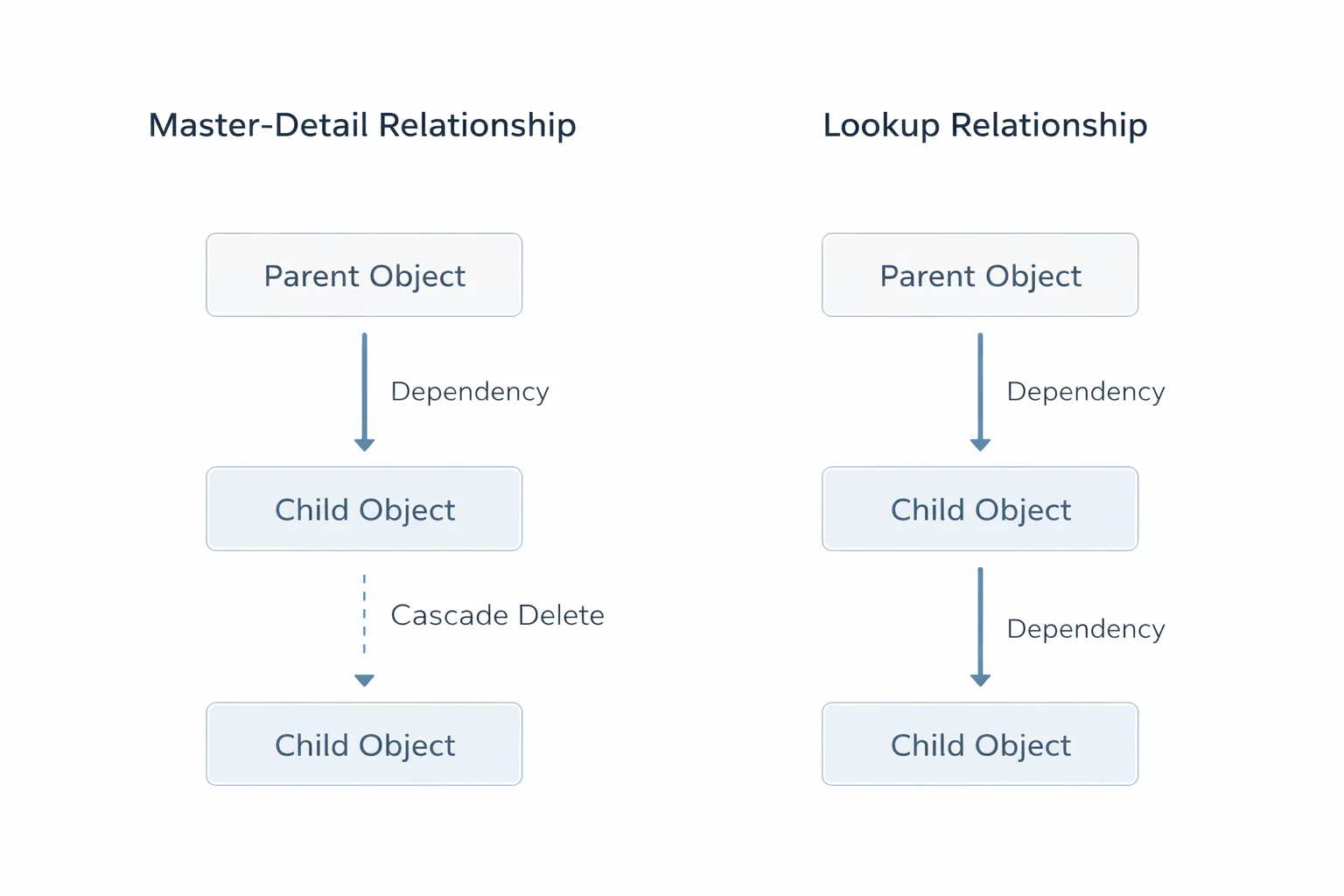
- Lookup and Master-Detail relationships
- Roll-up summary fields
Best practice:
Use Master-Detail relationships when strong dependency and roll-up calculations are required. Use Lookup relationships when flexibility and independent record management are needed.
2. Agentforce Automation Tools in Exam Scenarios
Automation is one of the most frequently tested areas.
Key concepts:
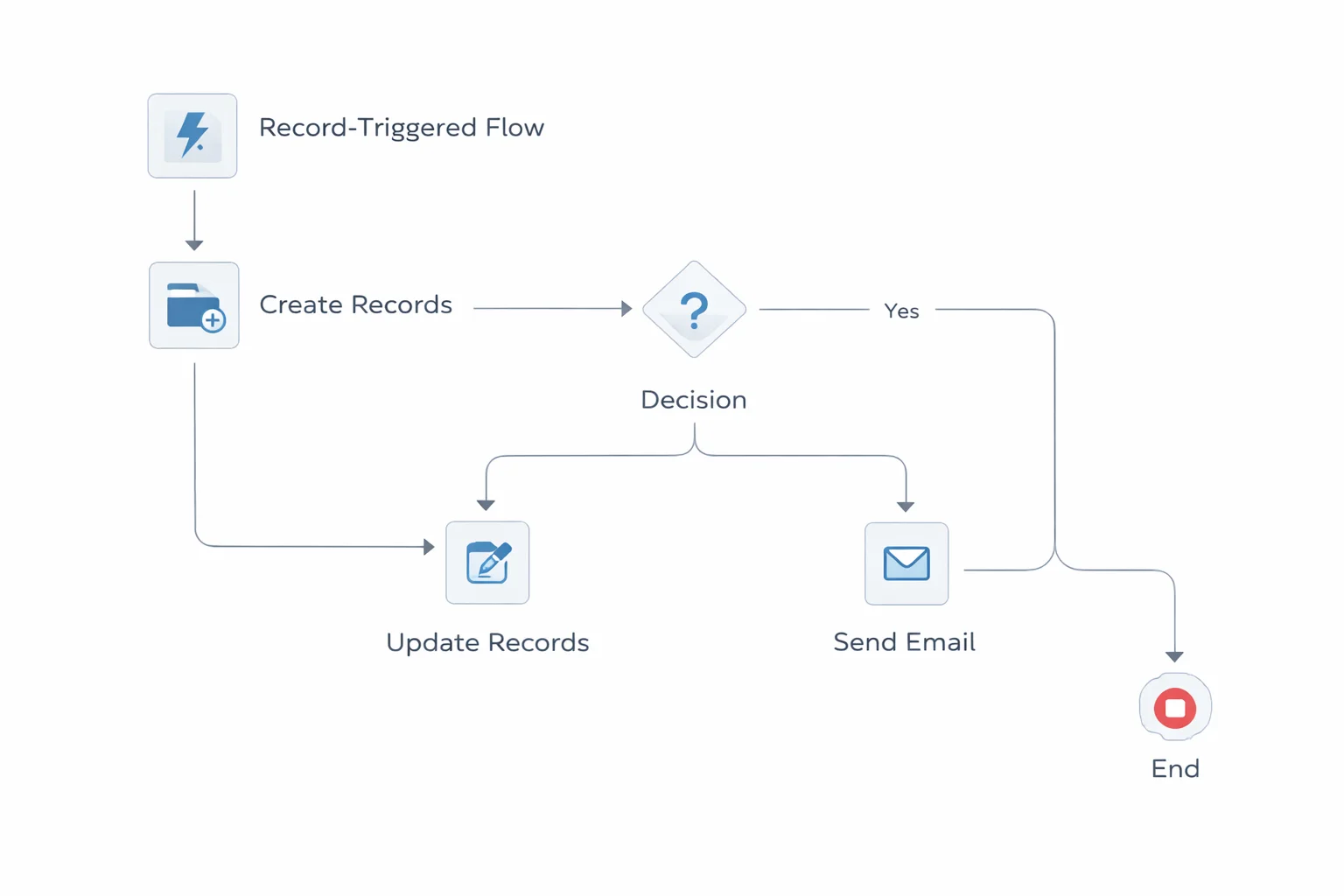
- Record-Triggered Flows
- Scheduled Flows
- Event-based automation
Best practice:
Flow is the preferred automation tool in Agentforce. Workflow Rules and Process Builder are limited in capability and are no longer the primary recommendation. Custom code should only be used when declarative solutions cannot meet requirements.
3. Agentforce Security Model and Access Control
Security is critical in scenario-based questions.
Key concepts:
- Profiles and Permission Sets
- Role Hierarchy
- Sharing Rules
Best practice:
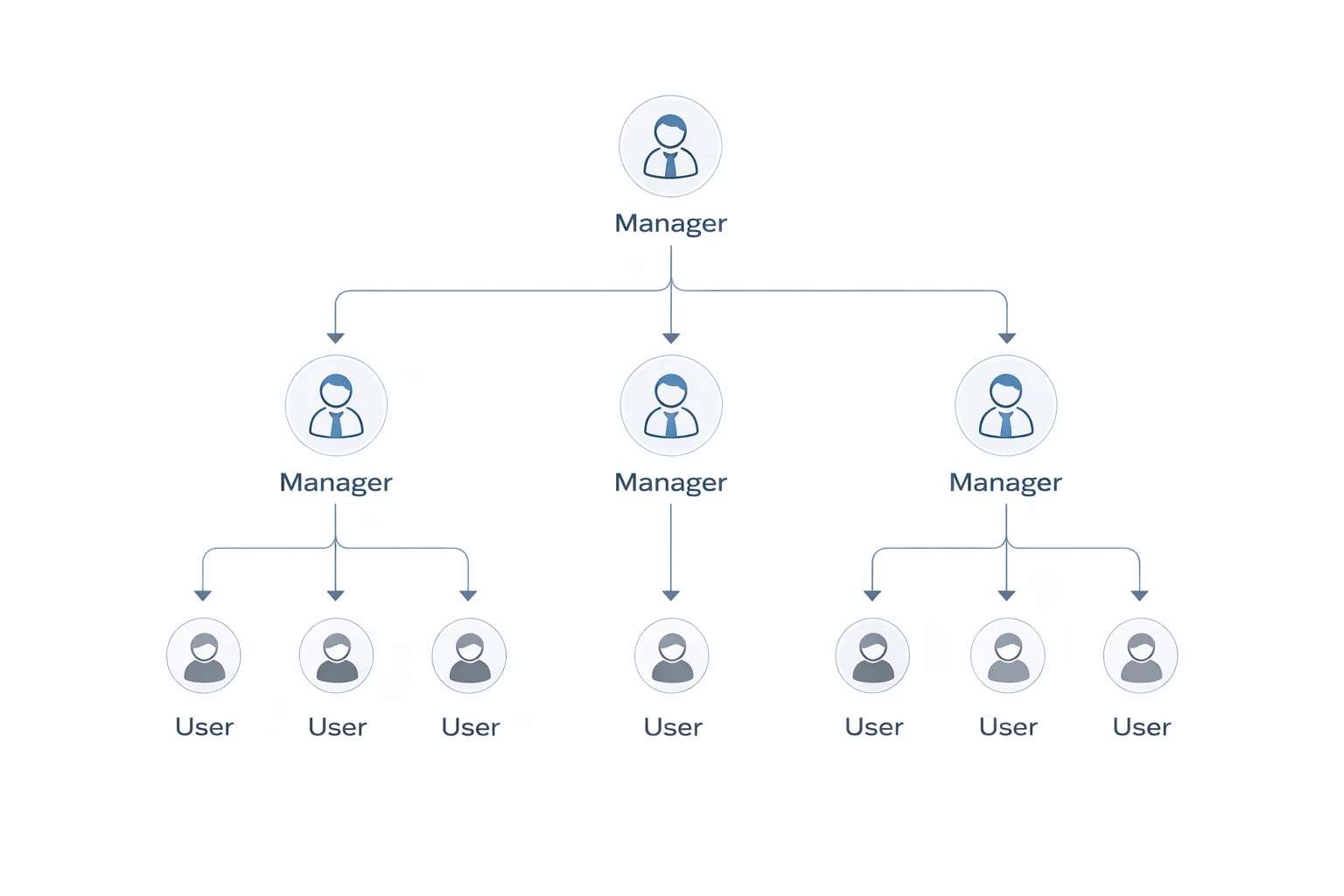
Grant the minimum level of access required. Role Hierarchy is typically used for managerial access, while Sharing Rules are used for broader record visibility.
4. Agentforce User Interface Configuration
User experience plays a key role in system usability.
Key concepts:
- Page layouts
- Dynamic Forms
- Lightning App Builder
Best practice:
Use Dynamic Forms to control field visibility based on user roles or conditions. This approach improves maintainability and reduces the need for multiple layouts.
Common Agentforce Configuration Scenarios and Solutions
Scenario 1: Automation Requirement
Problem:
A field must update automatically when a record status changes.
Recommended solution:
Record-Triggered Flow
Reason:
Provides scalable and flexible automation without requiring custom code.
Scenario 2: Data Relationship Requirement
Problem:
Child records must be deleted when the parent is deleted, and aggregate calculations are required.
Recommended solution:
Master-Detail relationship
Reason:
Supports cascade deletion and roll-up summary fields.
Scenario 3: Access Control Requirement
Problem:
Managers require access to records owned by their team members.
Recommended solution:
Role Hierarchy
Reason:
Provides efficient access based on organizational structure.
Scenario 4: User Interface Requirement
Problem:
Different users must see different fields on the same record page.
Recommended solution:
Dynamic Forms
Reason:
Allows conditional visibility and improves scalability.
Agentforce Configuration Strategy Summary
| Scenario Type | Recommended Solution | Key Reason |
| Automation | Record-Triggered Flow | Scalable and flexible |
| Data Model | Master-Detail | Supports roll-ups and dependency |
| Security | Role Hierarchy | Efficient hierarchical access |
| User Interface | Dynamic Forms | Conditional visibility |
Common Mistakes in Agentforce Exam Scenarios
Candidates should avoid the following errors:
- Selecting custom code instead of declarative tools
- Ignoring security requirements
- Overcomplicating solutions
- Misinterpreting the business requirement
- Failing to consider scalability
Understanding these pitfalls is essential for achieving high exam scores.

Key Takeaways for Agentforce Exam Preparation
- Prioritize declarative solutions such as Flow
- Develop a strong understanding of data modeling
- Apply security principles carefully
- Focus on scalable and maintainable configurations
- Practice scenario-based questions consistently
- Agentforce Specialist Exam Questions PDF
Conclusion
Agentforce configuration scenarios are designed to evaluate a candidate’s ability to apply knowledge in practical situations. Success depends on understanding platform capabilities, interpreting requirements accurately, and selecting efficient solutions.
By focusing on core configuration areas, practicing real-world scenarios, and applying a structured problem-solving approach, candidates can significantly improve their performance in the Agentforce exam.