
I once watched a project derail because nobody asked the right questions upfront. The sales team said they needed “better visibility into the pipeline.” Six weeks and 40 development hours later, we delivered beautiful dashboards that nobody used. Turns out, the real problem was that reps weren’t updating opportunity stages consistently. We’d built a solution to the wrong problem, all because we took requirements at face value instead of digging deeper.
The certification shows you know the theory, but stakeholder interviews are where Salesforce Certified Business Analysts prove their real value. These seven techniques have consistently helped me uncover what clients actually need, not just what they think they want.
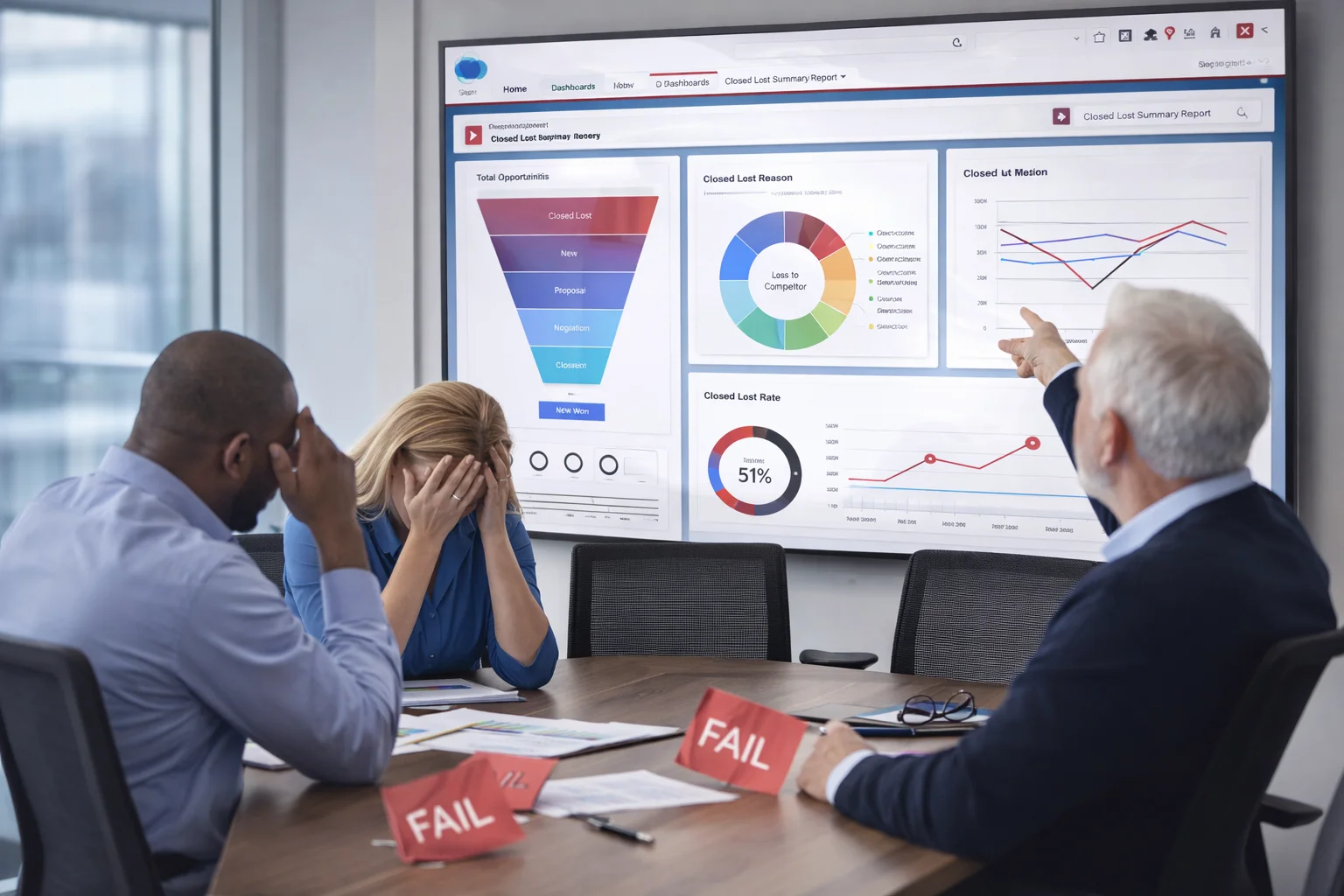
1. Prepare Your Interview Guide (But Stay Flexible)
Before any stakeholder meeting, I map out key questions and topics. Not a rigid script, just a framework. For a recent Sales Cloud implementation, my guide included questions about their current quote approval process, pain points, and success metrics.
The trick? Be ready to abandon your plan when someone mentions something unexpected. During that same project, I had prepared questions about their standard discount process. But when a rep made an offhand comment about “manual price adjustments taking forever,” I pivoted immediately. That unplanned detour revealed a discount approval bottleneck that was actually costing them deals. My original agenda had completely missed it.
Pro tip: Trailhead has a free module on “Business Analysis Practices” that covers interview planning basics.
2. Ask About the Last Time Something Broke
Generic questions get generic answers. Instead of “How does your case routing work?” ask “Tell me about the last time a high-priority case went to the wrong team.”
This happened during a Service Cloud discovery. The VP said their routing “mostly works fine.” When I asked about exceptions, she remembered a situation where a VIP customer’s case sat unassigned for three days because the routing rules hadn’t been updated when they reorganized teams two years earlier. That one story revealed a systemic problem affecting customer satisfaction scores.
Specific failure stories expose requirements that hypothetical questions never will.
3. Use the Five Whys to Find Root Causes
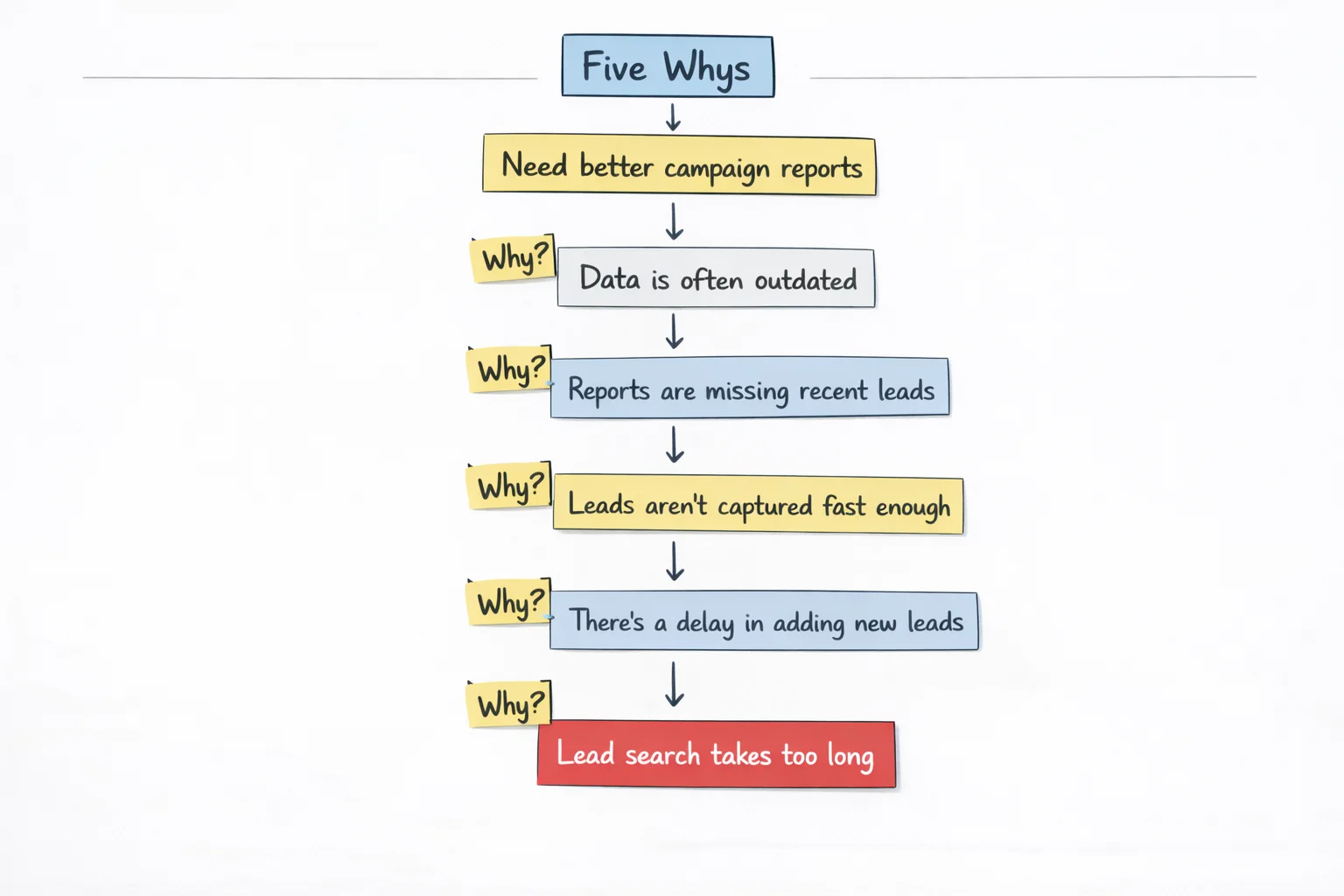
A marketing director once told me she needed “more comprehensive campaign reports.” Here’s how the Five Whys played out:
- Why? “I can’t see which campaigns drive revenue.”
- Why does that matter? “Leadership questions our budget allocation.”
- Why can’t you show ROI now? “Campaign members aren’t syncing to opportunities.”
- Why aren’t they syncing? “Sales reps create opportunities without checking existing leads first.”
- Why do they skip that step? “The lead search process takes too long.”
We ended up streamlining lead lookup, not building reports. The real problem was five layers deeper than the initial request. That’s the power of persistent curiosity.
4. Bring Stakeholders Who Disagree into the Same Room
Your sales VP wants automated lead assignment. Your sales reps want to cherry-pick leads. Don’t interview them separately and hope to reconcile their conflicting requirements later.
I facilitate joint sessions where disagreeing stakeholders hash things out together. During one memorable meeting for a financial services client, this approach helped the team realize they needed territory-based routing with a shared queue for overflow leads. The VP got automated distribution preventing cherry-picking, while reps got first access to their territory leads. Neither side got exactly what they wanted, but everyone bought into the compromise because they’d negotiated it together.
Conflict in the room is uncomfortable but productive. Conflict discovered after development is expensive.
5. Sketch Processes in Real Time
I keep Miro open during virtual interviews and draw process flows as people talk. For in-person meetings, a whiteboard works great. When stakeholders see their workflow visualized, they catch mistakes and missing steps immediately.
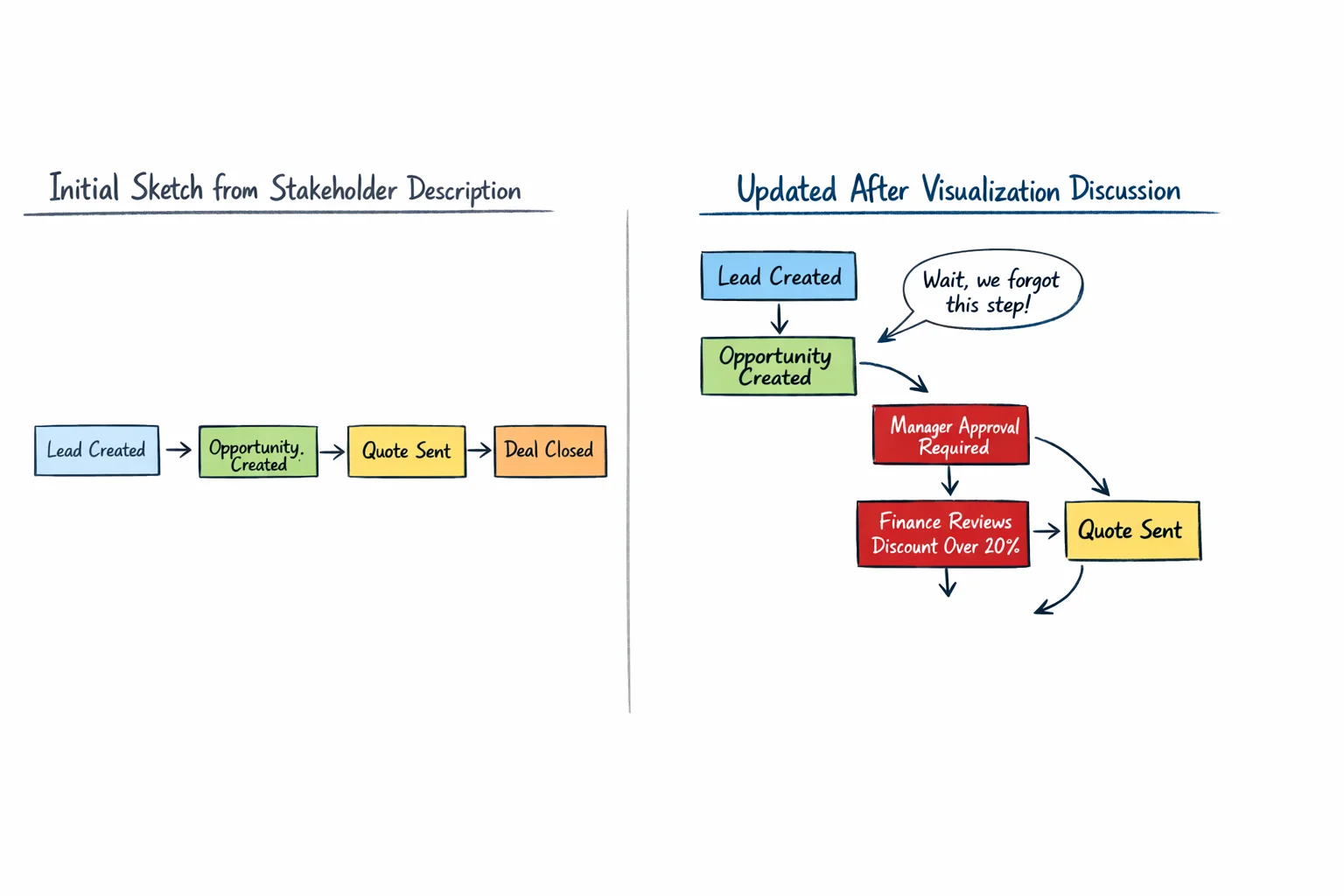
“Wait, you’re missing a step. Before approval, finance reviews the discount for anything over 20%.” These corrections happen when people see the picture, not when they’re just talking through it. I’ve caught requirement gaps in literally every project where I’ve used live process mapping.
The visual also becomes documentation you can refine and share after the meeting.
6. Validate Requirements with Actual Data
After gathering requirements, I pull real records from their org. If they say opportunities always have associated contacts, I run a report. Usually, I find exceptions that change the requirements.
This technique saved a project when stakeholders insisted “all accounts have billing addresses.” A quick SOQL query showed 800 accounts without them. We built validation rules and a data cleanup plan before deploying the address-dependent automation that would have broken for 15% of their accounts.
Trust your stakeholders, but verify their assumptions with data. Their mental model of how things work often differs from reality.

7. Stay Current with Platform Capabilities
You ask smarter questions when you know what Salesforce can do. Someone mentions spending hours on manual data entry? You might suggest Flow automation. They’re frustrated with report limitations? Maybe Einstein Analytics fits their needs. They want AI assistance for case responses? Prompt Builder or Einstein Copilot could be the answer.
Keep learning beyond your certification. Check official Salesforce release notes quarterly to understand new features. Follow Salesforce Ben or the official admin blog for practical use cases. Understanding technical concepts helps too. Resources like “Advanced Apex Patterns for PDII Candidates” give you vocabulary to communicate effectively with developers, even if you’re not coding yourself.
When you stay current, you recognize opportunities stakeholders don’t even know exist yet.
Document As You Go: A Critical Best Practice
After each interview, I send a summary that captures both what we decided AND why. “We’re excluding automated lead scoring because the sales team lacks historical data for training the model.”
That “why” becomes critical six months later when someone new joins and asks, “Why didn’t we include lead scoring?” Without documented rationale, you’ll waste time re-discussing closed decisions.
Tying It Back to Your Certification Journey
These techniques show up in Certified Business Analyst Exam Questions, but applying them in real projects takes practice. I’ve seen many certified analysts who ace their Certified Business Analyst Practice Questions but struggle with actual stakeholder management because the exam tests knowledge, not application.
The certification gives you the foundation. These interviewing skills build your reputation. Check out the “Latest Updates in Salesforce Release Notes Impacting Certifications” to ensure your knowledge stays current as you prepare.

Your Pre-Interview Checklist
Before your next stakeholder session:
- Research the department’s current Salesforce usage
- Prepare 5-7 open-ended questions (but stay flexible)
- Set up a virtual whiteboard (Miro, Lucidchart) or grab physical markers
- Review recent support tickets or user feedback for context
- Block extra time in case the conversation goes deeper
- Plan your follow-up documentation approach
- Identify potential conflicts between stakeholder groups
Good stakeholder interviewing isn’t about extracting information. It’s about partnering with people to understand problems they sometimes can’t articulate themselves. Master that, and you’ll deliver solutions people actually use instead of beautiful features that gather dust.
Try one of these techniques in your next discovery session. Start with something simple like asking about the last time a process failed, or sketch a quick process flow during your meeting. You’ll be surprised how much more you uncover compared to standard question-and-answer interviews.