
The Salesforce Certified Platform Developer II credential represents a sophisticated mastery of programmatic architecture on the Lightning Platform. Unlike foundational certifications, this level of expertise requires a developer to move beyond simple syntax and focus on the structural integrity of complex applications. For candidates aiming for this milestone, professional resources like SalesforceKing are essential for understanding how to build maintainable, reusable, and efficient code in a shared resource environment.
The Foundation of Separation of Concerns
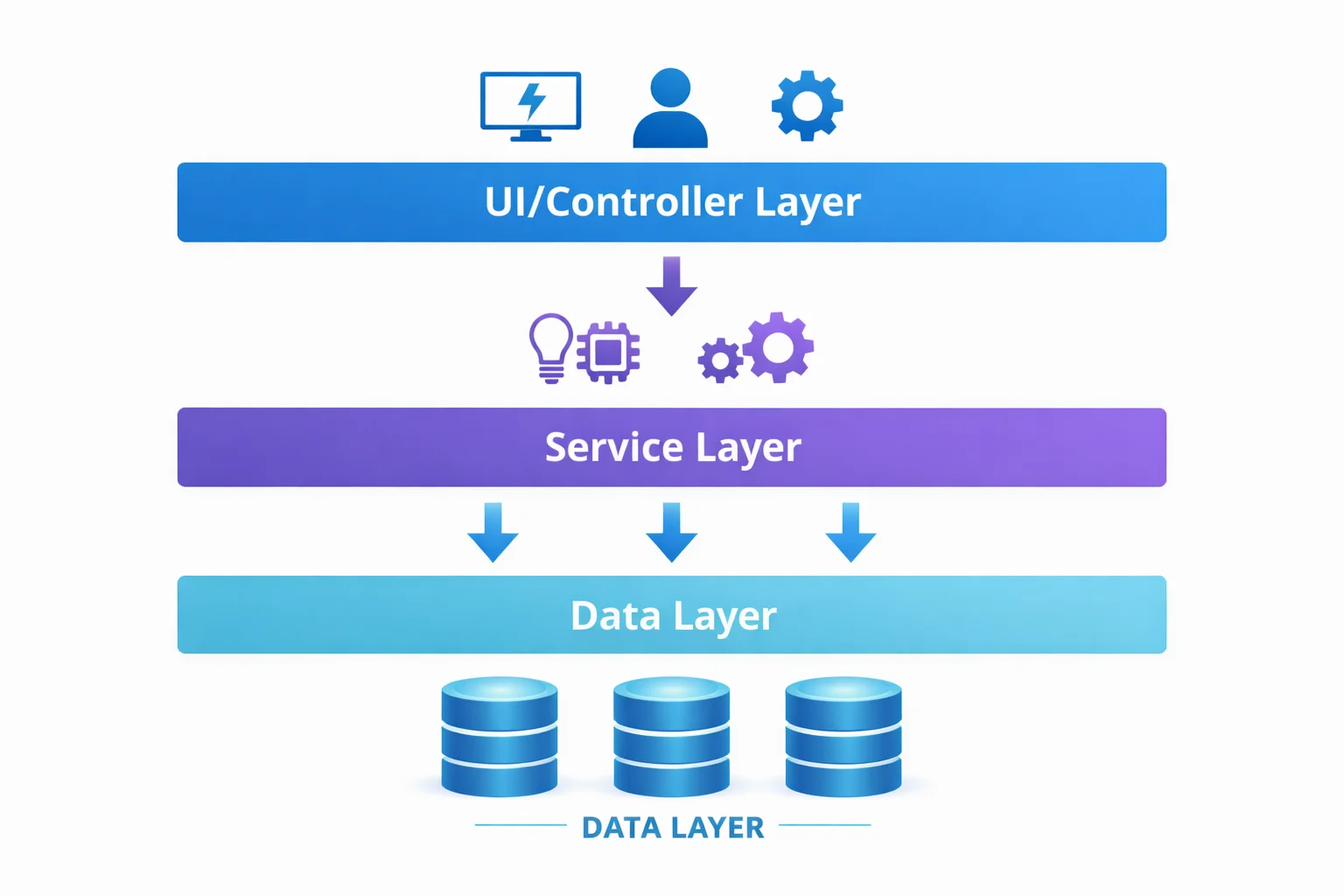
A core principle for any Salesforce Certified Platform Developer II is the implementation of Apex Enterprise Patterns. These patterns utilize the concept of separation of concerns, which organizes code into distinct layers based on their specific responsibilities. By creating logical boundaries, developers can minimize code duplication and simplify the testing process.
The service layer acts as the primary container for business logic that spans multiple objects. For example, when implementing complex pricing engines, developers should centralize calculations to ensure consistency across the organization. For more information on how structured logic applies to sales environments, you may review the article titled CPQ Made Easy: Simplifying Pricing for Fast-Growing Businesses.
Advanced Behavioral and Creational Patterns
Design patterns provide established templates for solving recurring programming challenges. In an academic sense, these patterns ensure that an application remains flexible as business requirements evolve. Two essential patterns for the advanced developer include the Singleton and the Strategy patterns.
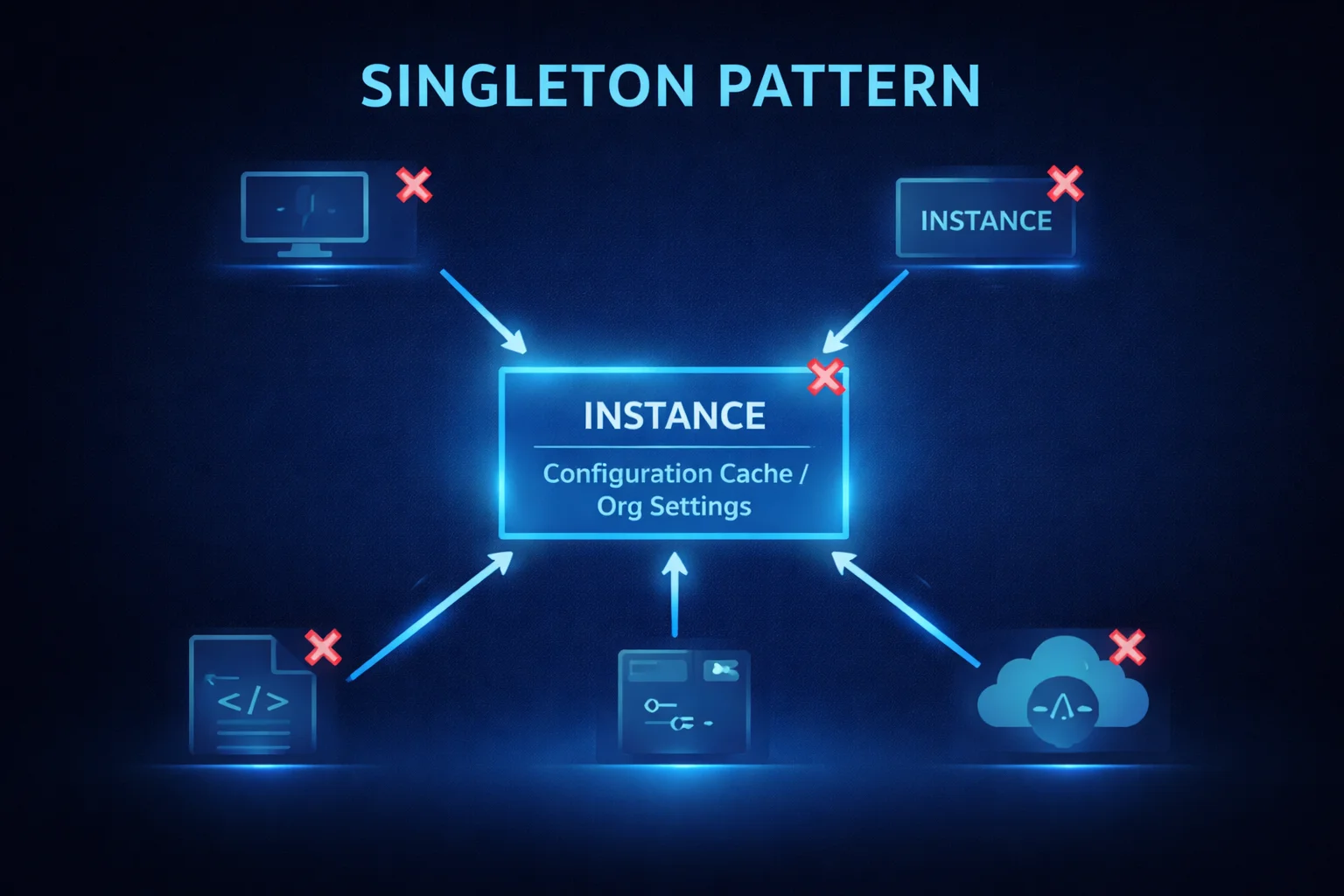
The Singleton pattern is utilized to restrict the instantiation of a class to one single instance during a transaction. This methodology is particularly effective for managing configuration data or caching records, as it reduces redundant database queries and preserves memory. Meanwhile, the Strategy pattern allows for the encapsulation of different algorithms. This is highly useful when a developer needs to swap logic at runtime based on specific record types or user data, effectively replacing nested conditional statements with a more modular approach.
Performance Optimization and Scaling
Achieving high performance is a critical objective for the Salesforce Certified Platform Developer II. This involves a deep understanding of bulkification and the proper use of asynchronous Apex. Bulkification is the practice of designing code to process collections of records rather than individual items. This ensures that the system stays within governor limits during large data imports or mass updates.
Furthermore, developers must stay informed about how platform updates change the way code interacts with the database. A useful reference for this ongoing education is the guide on the Latest Updates in Salesforce Release Notes Impacting Certifications. By following these updates, professionals at SalesforceKing can maintain the security and efficiency of their solutions.

Conclusion
In conclusion, the journey toward this certification is defined by a transition from execution to architecture. By mastering these patterns and prioritizing resource management, candidates can build enterprise-scale solutions that are both robust and adaptable.