
Getting people to open your emails is tough. Getting them to actually read and act on them? Even tougher. That’s where understanding psychology comes in.
When you’re preparing for the Salesforce Marketing Cloud Email Specialist certification, you’ll quickly realize that technical skills alone won’t cut it. The exam tests whether you understand how people think, what makes them click, and how to create emails that feel personal rather than pushy.
Why Psychology Matters in Email Marketing?
Think about your own inbox for a second. You probably delete most promotional emails without a second thought. But some emails catch your attention. Why? Because someone understood what motivates you.
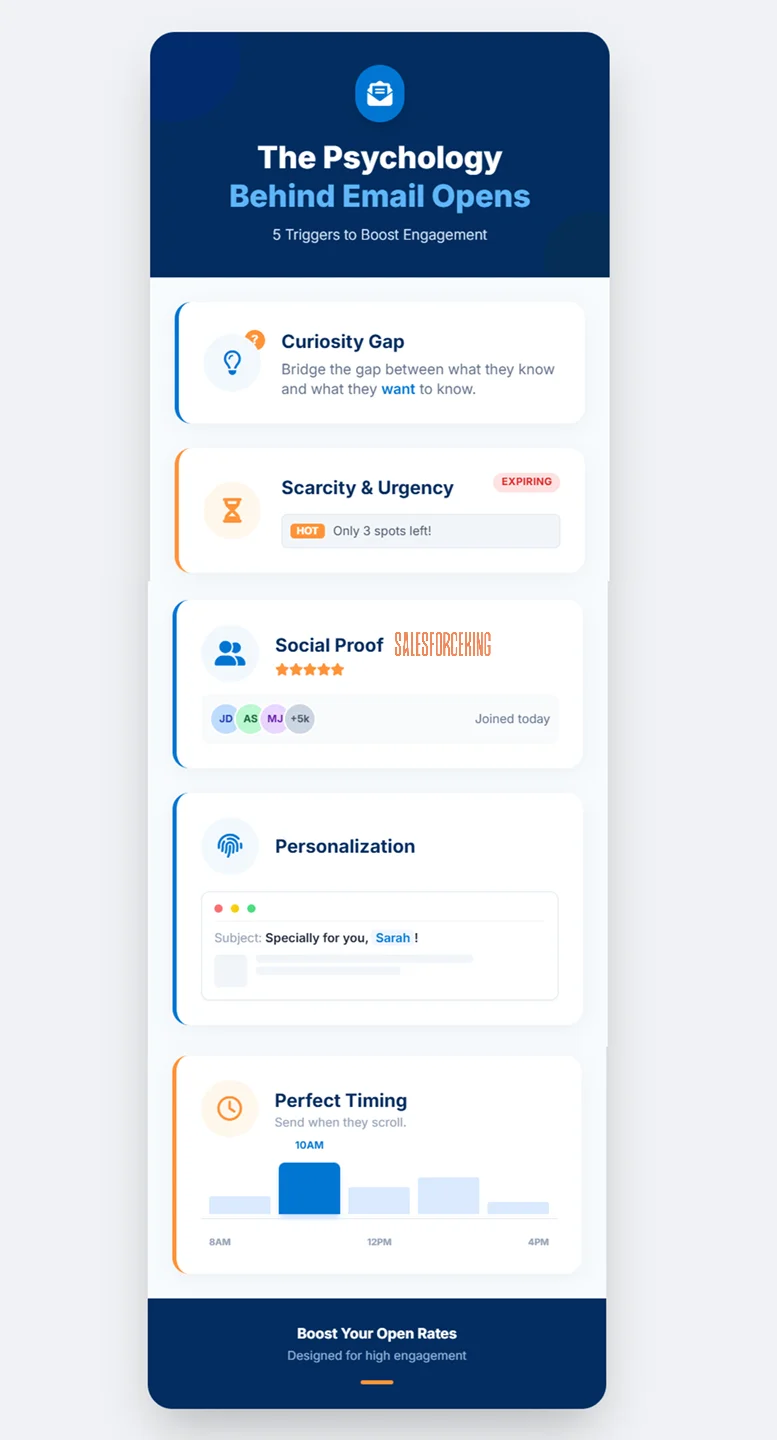
The Marketing Cloud Email Specialist exam covers this extensively. You need to know when people are most likely to open emails, what subject lines create curiosity without feeling like clickbait, and how to write copy that speaks to actual human needs rather than just listing product features.
For example, scarcity works. When someone sees “Only 3 spots left” or “Offer ends tonight,” they feel a push to act. Social proof matters too. People trust what others recommend. That’s why including testimonials or user counts in your emails can boost engagement significantly.
Personalization Goes Beyond First Names
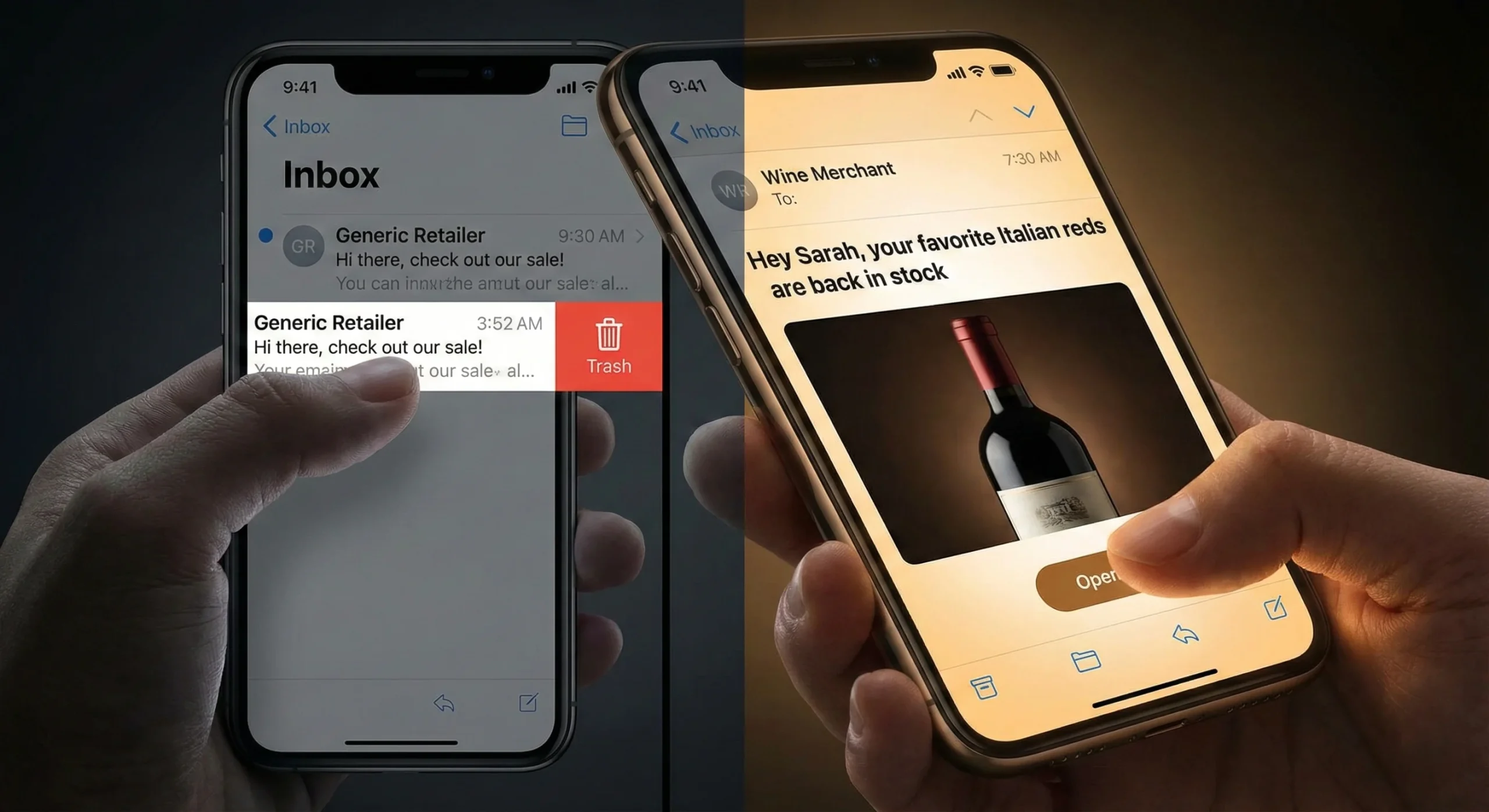
Here’s where many marketers get it wrong. They think personalization means adding “Hi Sarah” to the subject line. Real personalization in Salesforce Marketing Cloud is much deeper.
The platform lets you segment audiences based on behavior, preferences, purchase history, and engagement patterns. You can send different content to different people based on what they’ve actually shown interest in. Someone who browses winter coats shouldn’t get the same email as someone shopping for summer dresses.
At Trailhead, we’ve seen countless students struggle with personalization strategies because they focus on the technical setup but miss the psychological reasoning behind it. The exam will test both. You need to know how to build dynamic content blocks AND why certain personalization tactics work better than others.
Timing and Frequency Psychology
Send too many emails and people unsubscribe. Send too few and they forget you exist. The Marketing Cloud Email Specialist certification requires you to understand this balance.
Different audiences have different tolerance levels. B2B professionals might check email twice a day during work hours. B2C customers might prefer evening sends when they’re relaxing at home. The exam covers how to use Einstein Send Time Optimization and other tools to figure this out.
Practical Application Matters
When you’re working through practice questions, don’t just memorize answers. Ask yourself why a particular approach works. If you’re reviewing Mock Exam Strategies for Salesforce Marketing Cloud Email Specialist on SalesforceKing, pay attention to the reasoning behind each answer choice, not just which option is correct.
And if you’re feeling overwhelmed by all the material, consider following a structured approach. Many successful candidates create a 30-day study plan that breaks down topics into manageable chunks. This helps you cover both the technical features and the strategic thinking the exam requires.

The Bottom Line
Email marketing isn’t just about knowing which buttons to click in Salesforce Marketing Cloud. It’s about understanding why people behave the way they do online. When you combine psychological insights with platform expertise, you create campaigns that actually work. The certification exam tests this combination deliberately. Master both sides, and you’ll not only pass the test but also become someone who can drive real results for your organization.